I didn’t think being a swimmer’s father would mess with my head in navigational skills this much.
I already had my worlds figured out, or so I thought. Clinic in the morning. Precision. Focus. No room for mistakes. Then navigation skills in swimming for myself — laps, silence, water doing its thing. Two separate lives. Clean boundaries.
Then my kid started swimming seriously.
And suddenly everything started overlapping in weird ways.
It wasn’t some big moment. No dramatic realization. It crept in slowly, mostly on days when I was tired. Like that Tuesday.
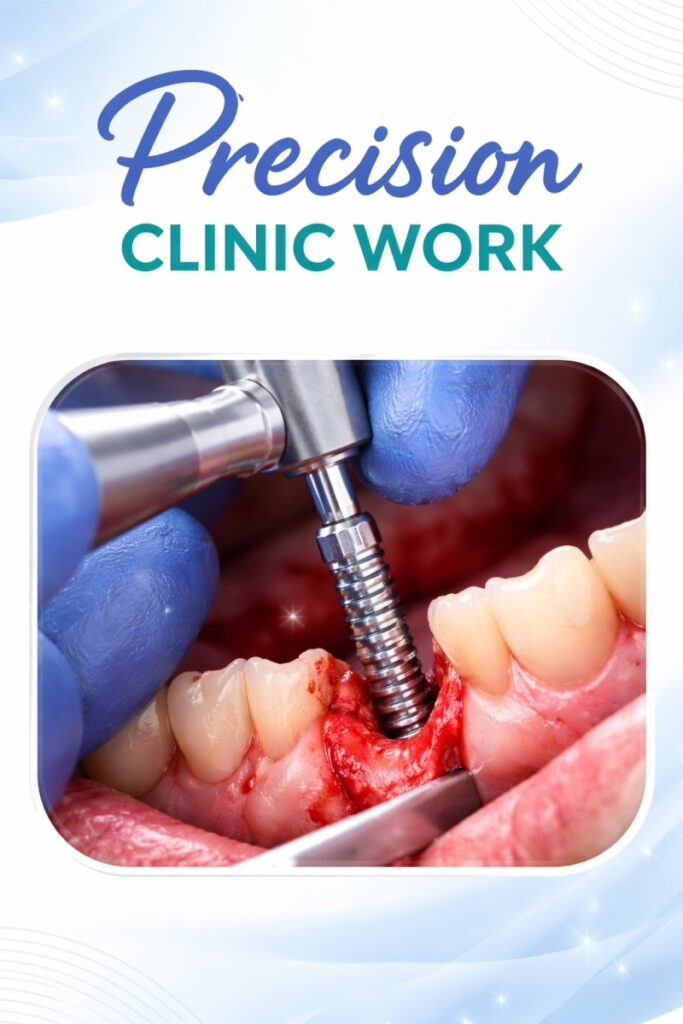
Morning clinic went long. Implant cases. CBCT scans. Same conversations I’ve had hundreds of times — nerve here, sinus there, angle matters, depth matters. Millimeters matter. Nothing new.
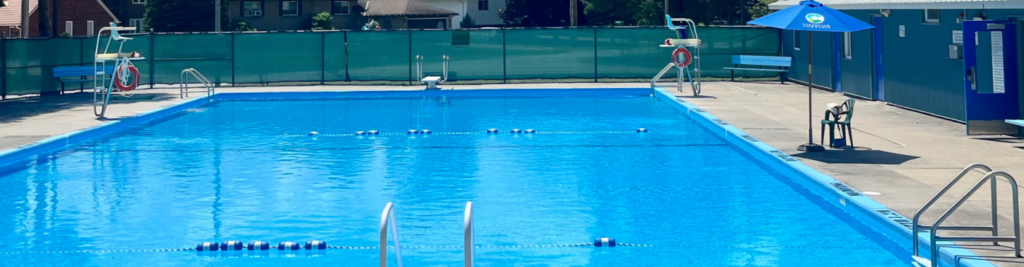
Evening pool session. I decided to swim myself with navigational skills after watching my kid train. Foggy goggles. Crowded lanes. One of those days where the pool just feels off.
I pushed off the wall and instantly felt wrong. Not pain. Not fatigue. Just… off.
I hit the lane rope within seconds.
Stopped. Reset. Tried again.
Same thing.
And I remember laughing under water, because it was ridiculous. I place implants for a living. I navigate bone and nerves and anatomy all day. But I can’t swim straight for 25 meters?
Then I looked at my kid. Focused. Serious. Coach yelling corrections. “Feel the water.” “Stay centered.” “Awareness.”
That word stuck.
Awareness.
Later that night, I couldn’t stop thinking about it. Not in a scientific way. More like background noise in the brain while brushing teeth, while locking the door, while lying in bed.
The next day, during a consult, it clicked.
Spatial awareness.
We use that term in dentistry without even thinking about it. We don’t call it that out loud, but it’s there in everything we do. Where is the nerve? Where am I compared to it? How much space do I have? How much room for error?
That’s spatial awareness.
And that’s the same thing my kid is being trained to develop in water.
Not strength. Not speed. Awareness.
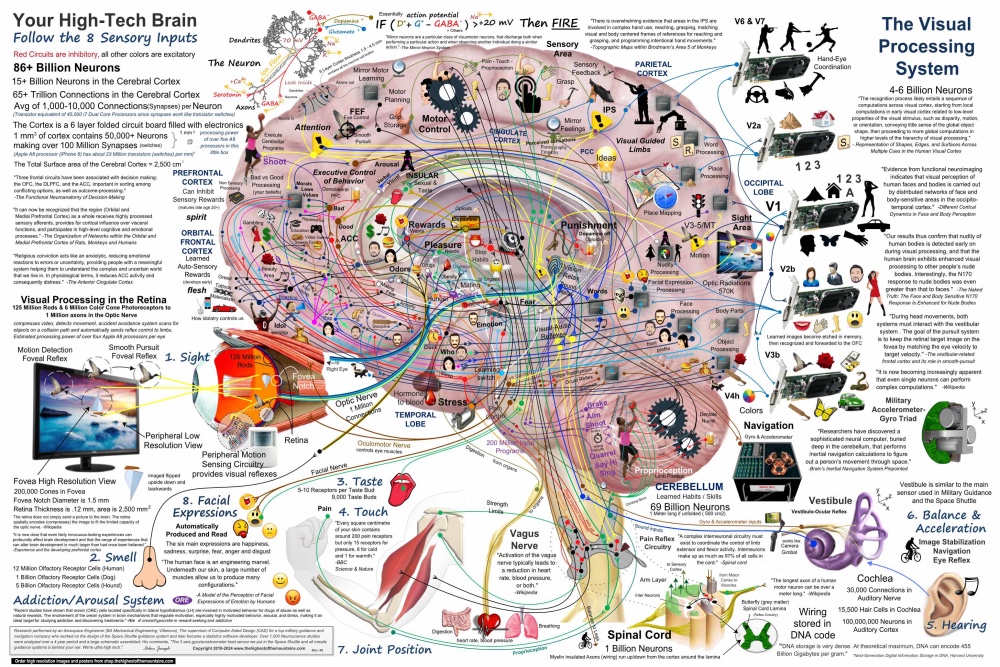
When you really break it down, swimming is brutal for the brain. Especially for kids. Especially early on.
Water removes certainty. There’s no solid reference. Vision is distorted. Sound is gone. Balance is different. Left and right feel the same until they don’t.
A child’s brain is constantly asking questions it can’t fully answer yet.
Am I straight?
Am I drifting?
Where am I in the lane?
Where’s the wall?
They don’t have words for it, but you can see it in their movement. Slight zig-zag. Overcorrection. Hesitation before turns.
As a dentist, I see the same thing when someone is learning surgical work. The hands are fine. The knowledge is there. But the internal map isn’t stable yet.
They know what to do. They just don’t fully know where they are while doing it.
Watching my kid swim made me notice how patient this process needs to be. You can’t rush spatial awareness. You can’t shout it into existence.
It grows quietly. Through repetition. Through mistakes. Through feeling lost and finding center again.
That hike I mentioned earlier — the one where I paused and felt briefly disoriented — that wasn’t failure. That was my brain recalibrating. Same thing kids do in the pool every day.
As a father, it’s uncomfortable to watch. You want to fix it. You want to explain it. You want to jump in and say, “Do this, don’t do that.”
But that’s not how this system learns.
Spatial awareness isn’t taught verbally. It’s experienced.
In clinic, we respect that. We don’t throw a new dentist into a complex case without experience. We let the map build slowly. We accept that early movements are awkward.
In swimming, parents forget this. We expect straight lines too soon. Clean technique too soon. Confidence too soon.
But the brain needs time to understand space.This is a study from Pubmed.
I noticed something else too. On days when my kid had a rough swim, I’d often have a rough session myself. Not physically. Mentally. Distracted. Slightly off.
And on days when training went well, everything felt smoother. In the pool and in the clinic.
It made me realize how connected these systems are. When your brain is tuned into space, everything benefits.
In dentistry, especially implant work, we don’t just rely on scans. We rely on feel. Pressure. Resistance. Subtle changes. Those cues only make sense when your spatial awareness is sharp.
Swimming trains that beautifully — if you let it.
Not by forcing speed. Not by obsessing over times. But by paying attention.
I started doing that more intentionally. For myself and with my kid.
Less “swim faster.”
More “what did that stroke feel like?”
Less “why did you drift?”
More “did one side feel heavier?”
Small shifts. Big difference.
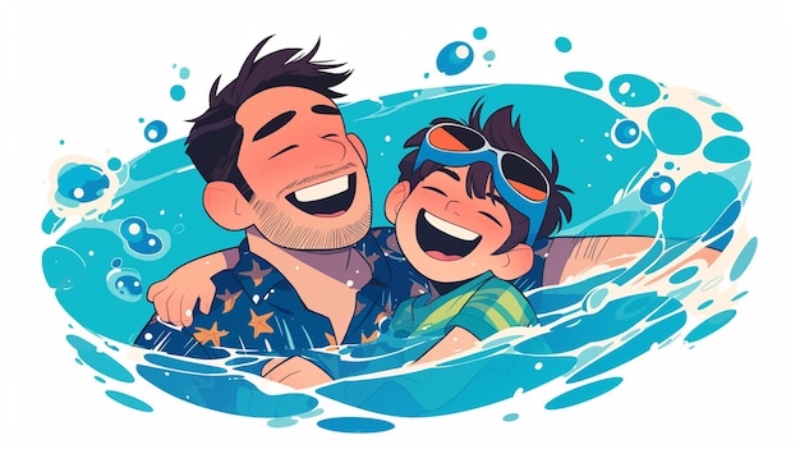
As a father, this changed how I watch practice. I don’t just watch laps now. I watch how my kid navigates space. How corrections land. How awareness improves slowly, unevenly, but surely.
As a dentist, it reminded me why experience matters more than confidence. Why calm hands come from clear maps, not ego.
And as a swimmer, it humbled me. Still does.
I still hit lane ropes sometimes. I still drift. But I don’t get angry about it anymore. I know what’s happening. My internal GPS is recalibrating.
That’s the thing about spatial awareness — it’s never “done.” It needs constant use. Modern life doesn’t give it much work.
Swimming does. Hiking does. Surgery does.
And raising a swimmer makes you see it from the outside for the first time.
If you’re a swimmer’s parent reading this, especially from a medical or technical background, trust the process. Your kid isn’t lost. Their brain is building maps.
If you’re a swimmer, be patient with yourself. Drift doesn’t mean failure. It means learning.
And if you’re a dentist or surgeon — don’t separate these worlds. They’re feeding each other more than you realize.
That’s all I wanted to say.
No theory. No motivation.
Just something I noticed while standing poolside, tired, watching my kid swim straight in ways I sometimes still can’t.
And somehow being proud of that.
Cheers!!!
Dr Manav Verma
thefusionbiohacker@gmail.com
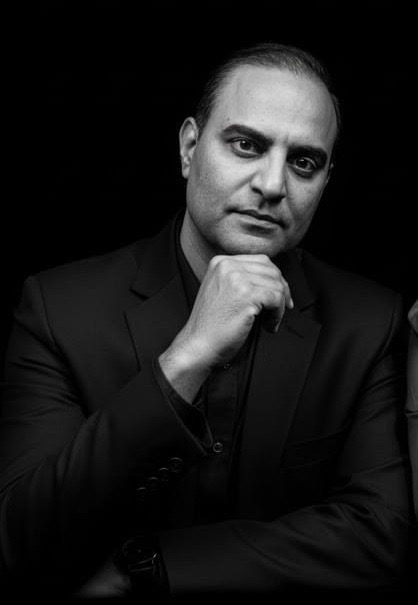
Hello I’m Dr. Manav Verma Dental surgeon dedicated to restoring smiles treating teeth and gums and passionately exploring the connection, between oral health and overall bodily wellness.
Truthfully my genuine enthusiasm emerges when I immerse myself in biohacking—combining technology with timeless inner healing and natural energy. That’s the reason I launched my blog, The fusion Biohacker, where I share straightforward practical advice, on enhancing your health without spending a fortune or resorting to pseudoscience.
I’m likewise the father who rises at daybreak by the pool, with a stopwatch measuring my childrens swim laps and preparing recovery snacks as if it were a qualifier (I experiment with all my biohacks on myself initially amidst our hectic routine). When I’m away from the clinic or looking after kids you’ll find me hiking through the mountains to clear my mind jotting down poetry creating art with paint, on canvases journeying wherever the mood leads, singing, crafting tunes late at night or geeking out over designing websites and writing tech blogs.
Life’s too brief to stay in a lane you know? I really enjoy linking all these aspects—wellness, technology, innovation, environment—and spreading whatever truly proves effective.
thefusionbiohacker@gmail.com